Archives
- 2026-07
- 2026-06
- 2026-05
- 2026-04
- 2026-03
- 2026-02
- 2026-01
- 2025-12
- 2025-11
- 2025-10
- 2025-09
- 2025-03
- 2025-02
- 2025-01
- 2024-12
- 2024-11
- 2024-10
- 2024-09
- 2024-08
- 2024-07
- 2024-06
- 2024-05
- 2024-04
- 2024-03
- 2024-02
- 2024-01
- 2023-12
- 2023-11
- 2023-10
- 2023-09
- 2023-08
- 2023-07
- 2023-06
- 2023-05
- 2023-04
- 2023-03
- 2023-02
- 2023-01
- 2022-12
- 2022-11
- 2022-10
- 2022-09
- 2022-08
- 2022-07
- 2022-06
- 2022-05
- 2022-04
- 2022-03
- 2022-02
- 2022-01
- 2021-12
- 2021-11
- 2021-10
- 2021-09
- 2021-08
- 2021-07
- 2021-06
- 2021-05
- 2021-04
- 2021-03
- 2021-02
- 2021-01
- 2020-12
- 2020-11
- 2020-10
- 2020-09
- 2020-08
- 2020-07
- 2020-06
- 2020-05
- 2020-04
- 2020-03
- 2020-02
- 2020-01
- 2019-12
- 2019-11
- 2019-10
- 2019-09
- 2019-08
- 2019-07
- 2019-06
- 2019-05
- 2019-04
- 2018-11
- 2018-10
- 2018-07
-
The role of DDR in glomerular injury has
2020-07-25
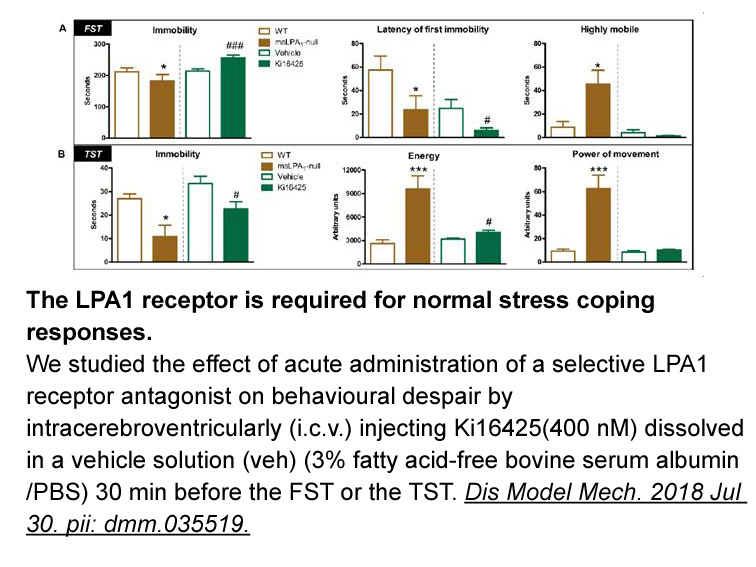
The role of DDR1 in glomerular injury has been then further studied by the Chatziantoniou group in experimentally-induced crescentic glomerulonephritis, by injection of alloimmune sheep nephrotoxic serum (NTS) [54]. Glomerulonephritis produced a 17-fold increase of DDR1 expression, predominantly in
-
In conclusion our work provides the preclinical evidence sho
2020-07-25
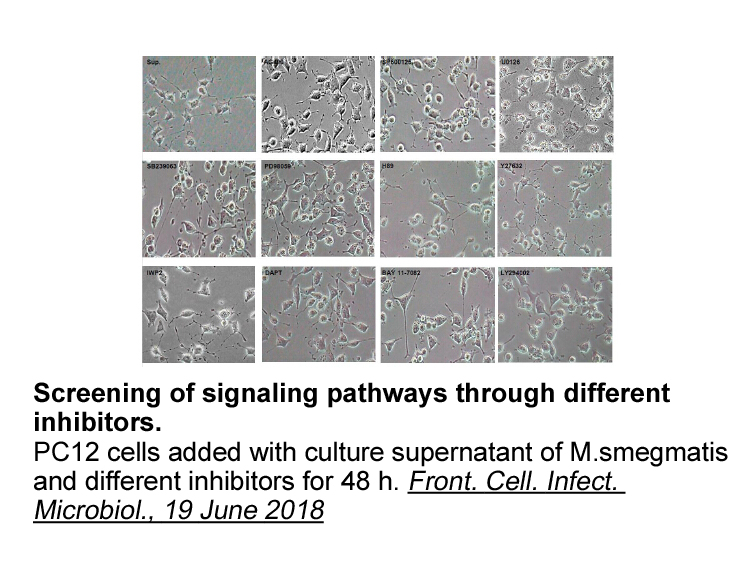
In conclusion, our work provides the preclinical evidence showing the potent in vivo efficacy of AT7519 on chemoresistant cancer Deoxycholic acid and its underlying mechanisms of action. Our work supports the biological rationale behind the clinical trials initiated with AT7519, particularly for th
-
Nucleocytoplasmic transport systems play a critical role in
2020-07-25
Nucleocytoplasmic transport systems play a critical role in intracellular localization and regulation of proteins in each cell. This balance is quite important and is typically uncontrolled in cancer cells. Specific localization of tumor suppressor and oncoproteins is quite important because any abn
-
KU57788 Previous studies from our laboratory
2020-07-25
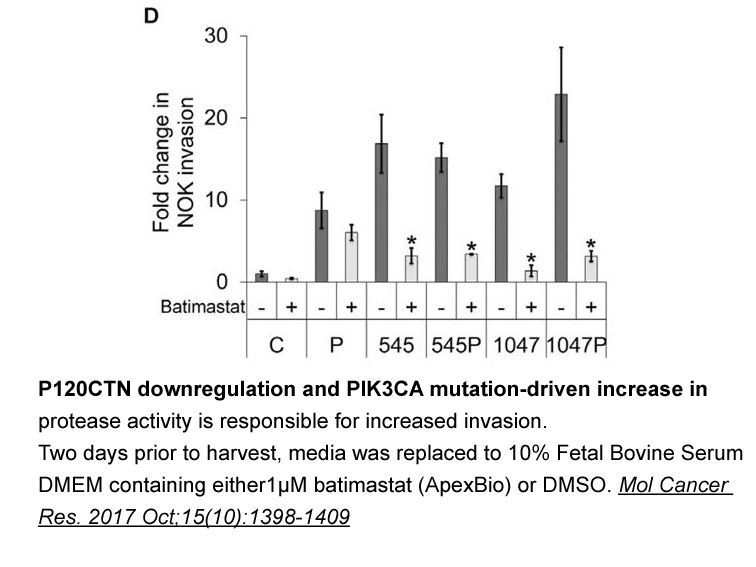
Previous studies from our laboratory in CD1 mice using the incisional postoperative pain model have shown that the incision induces significant mechanical postoperative hyperalgesia lasting between 7 and 10days, with peak effect between 4h-2days (Cabañero et al., 2009a, Cabañero et al., 2009b, Campi
-
Following mutagenesis of the glucarpidase gene of Pseudomona
2020-07-24

Following mutagenesis of the glucarpidase gene of Pseudomonas sp. strain RS-16 [30], approximately 73% of the clones retained enzyme activity, as indicated by the clear zones and yellow precipitate surrounding their colonies. However, there were very few that had ‘halos’ around colonies that were da
-
As demonstrated by Mak and colleagues ER is
2020-07-24
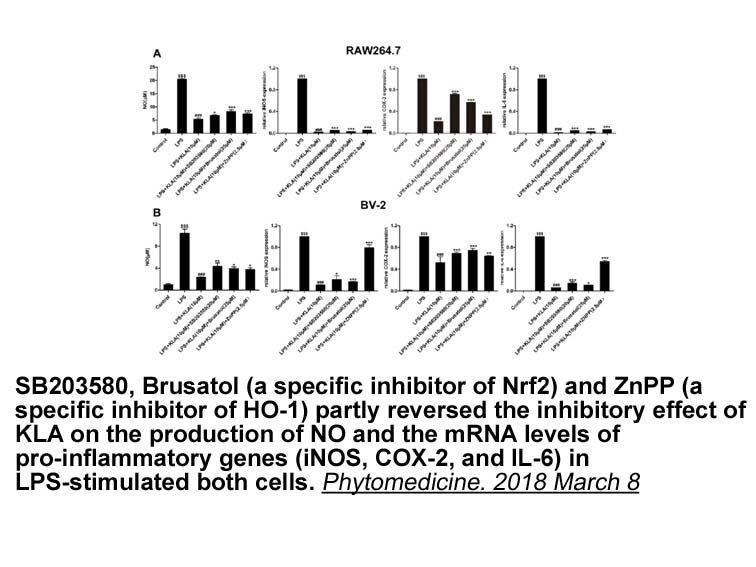
As demonstrated by Mak and colleagues, ERβ is known to be a part of the NFκB-HIF-1α signaling pathway during hypoxia as well as chronic inflammation of prostate (Mak et al., 2015), therefore in the next part of the study, we evaluated whether ZEA-induced ROS production is also associated with NFκB-H
-
In this report we established mouse models suitable for
2020-07-24
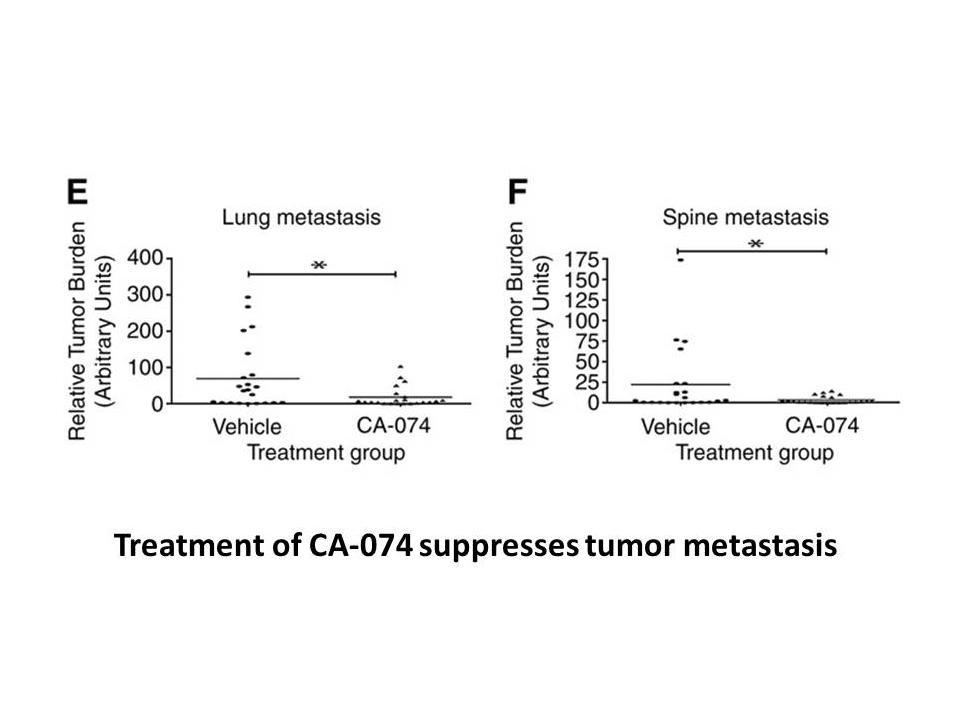
In this report, we established mouse models suitable for human retinal cell transplantation by introducing phosphodiesterase 6B (Pde6b) mutant allele from retinal degeneration (rd) mouse models into NOG background. Pde6b (rd1) and Pde6b (rd10) mice are well-studied and frequently used animal models
-
br EphB as a therapeutic target in cancer Eph
2020-07-24
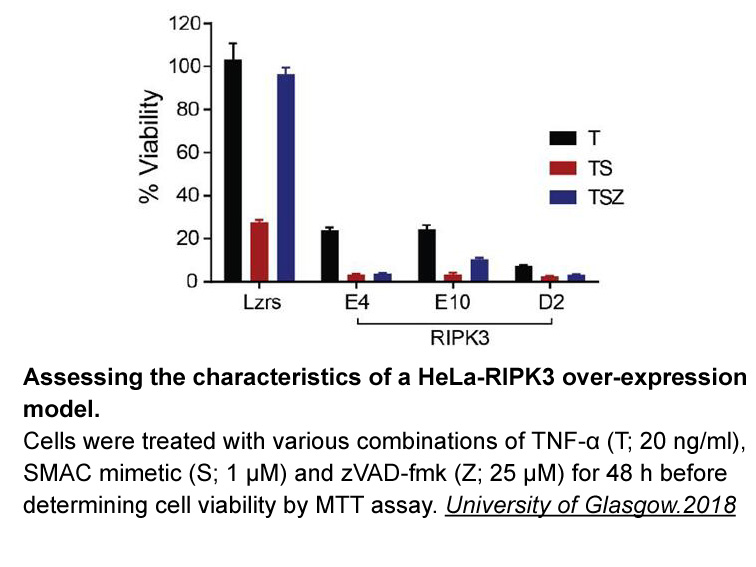
EphB4 as a therapeutic target in cancer Eph receptors and ephrins are promising new therapeutic targets in cancer. Various strategies have been employed to evaluate the interference of tumor-promoting effects or the enhancement of tumor suppressive effects. The inhibition of the Eph-ephrin system
-
In conclusion our findings demonstrated that S PC
2020-07-24
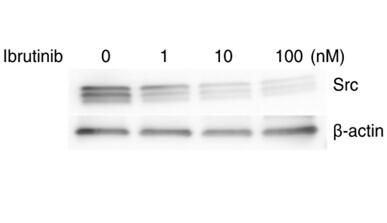
In conclusion, our findings demonstrated that S1PC augments HMOX1 expression in a NO-dependent manner, and its effects are associated with the enhancement of BACH1 degradation. In addition, S1PC and NO potentially degrade BACH1 based on the observation that nuclear degradation of BACH1 differs from
-
On the other hand the death domain is a
2020-07-24
On the other hand, the death domain is a conserved stretch of around 80AA which is commonly found in death receptor proteins, it play a major role in the interaction between other proteins. Also as a platform for the death-inducing signaling complex (DISC) formation (Chaigne-Delalande et al., 2008).
-
Phenylbenzofurans are a very important molecule skeleton due
2020-07-24
Phenylbenzofurans are a very important molecule skeleton due to their synthetic versatility and their proved pharmacological properties [2]. They are synthetic compounds in which an additional phenyl ring is present in any position of the benzofuran nucleus. This could be easily obtained possible by
-
It is well established that p maintains genomic integrity
2020-07-23
It is well established that p53 maintains genomic integrity in response to a variety of cell stresses including DNA damage and oncogenic stress among others [6], [7], [8], [9]. p53 promotes the expression of several genes to cause Anhydrotetracycline hydrochloride synthesis arrest and to repair cel
-
TKI discontinuation studies demonstrate that a portion of TK
2020-07-23
TKI discontinuation studies demonstrate that a portion of TKI-treated CML patients remain in remission for up to 3 years, although long-term risk assessment is still necessary (Bansal and Radich, 2016). The majority of CML patients depend on lifetime TKI treatment, and substantial efforts have been
-
25 sta Compounds and possessed relatively low clogP values a
2020-07-23
Compounds 11–13 and 15 possessed relatively low clogP values and tended to show relatively weak antagonist activity regardless of their potent EP1 receptor affinity. Compounds 2–4, which were selected based on their potent in vivo antagonist activity, were found to be effective in an animal model.
-
The acid base properties of the IL are
2020-07-23
3. The acid-base properties of the IL are important issues to consider because protonation changes caused by Brønsted-acidic or basic ions may result in enzyme deactivation [29]. Thereby, the acid-base properties of the newly designed IL need proper control for enzymes by selection of appropriate ca
16754 records 853/1117 page Previous Next First page 上5页 851852853854855 下5页 Last page