Archives
- 2026-10
- 2026-09
- 2026-08
- 2026-07
- 2026-06
- 2026-05
- 2026-04
- 2026-03
- 2026-02
- 2026-01
- 2025-12
- 2025-11
- 2025-10
- 2025-09
- 2025-03
- 2025-02
- 2025-01
- 2024-12
- 2024-11
- 2024-10
- 2024-09
- 2024-08
- 2024-07
- 2024-06
- 2024-05
- 2024-04
- 2024-03
- 2024-02
- 2024-01
- 2023-12
- 2023-11
- 2023-10
- 2023-09
- 2023-08
- 2023-07
- 2023-06
- 2023-05
- 2023-04
- 2023-03
- 2023-02
- 2023-01
- 2022-12
- 2022-11
- 2022-10
- 2022-09
- 2022-08
- 2022-07
- 2022-06
- 2022-05
- 2022-04
- 2022-03
- 2022-02
- 2022-01
-
The evidence points toward a role for LO activity in
2022-10-27
The evidence points toward a role for 12/15-LO activity in WAT in modulating chronic local inflammation and subsequent systemic metabolic decline in the obese state. However, little is known as to the role of 12- and 15-LOs in BAT. Indeed, in addition to WAT, platelet- and leukocyte-type 12-LO are e
-
In this study we demonstrated that DRR protein
2022-10-27
In this study, we demonstrated that DRR1 protein level in GBM tissues was significantly higher compared to normal EPZ031686 tissues. This data suggested that DRR1 might play a role in the tumorigenesis of glioma. To investigate whether DRR1 could accurately predict the outcome in patients with glio
-
Introduction Epinephrine is an endocrine hormone mainly prod
2022-10-27
Introduction Epinephrine is an endocrine hormone mainly produced by adrenal medulla in response to stress (Tank and Lee Wong, 2015). This catecholamine exerts various major physiological effects, concerning notably the cardiovascular system, the respiratory system and the endocrine system, through
-
In this article we have outlined
2022-10-27
In this article, we have outlined the increasing, as yet still circumstantial evidence that the 6TM domains of bacterial ACs might operate as receptors for as yet unknown ligands. Intriguingly, several architectural arguments are also applicable to the 6TM domains of mammalian membrane-bound ACs (mA
-
In the presence of detrimental
2022-10-27
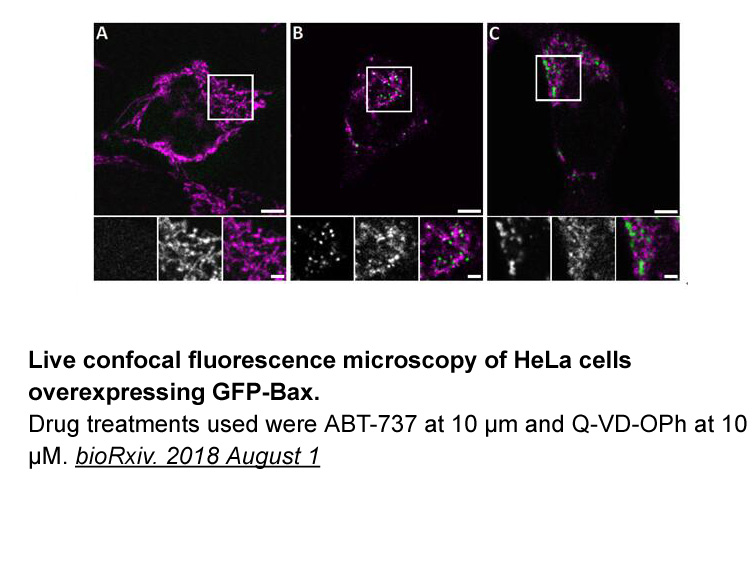
In the presence of detrimental conditions, such as inflammation, hypoxia, ischemia trauma or neoplastic milieu, the extracellular levels of adenosine increase massively, reaching micromolar range [51,52]. In these pathological contexts, adenosine accumulation stems from increased extracellular depho
-
br Results br Discussion The actin cytoskeleton is a highly
2022-10-27
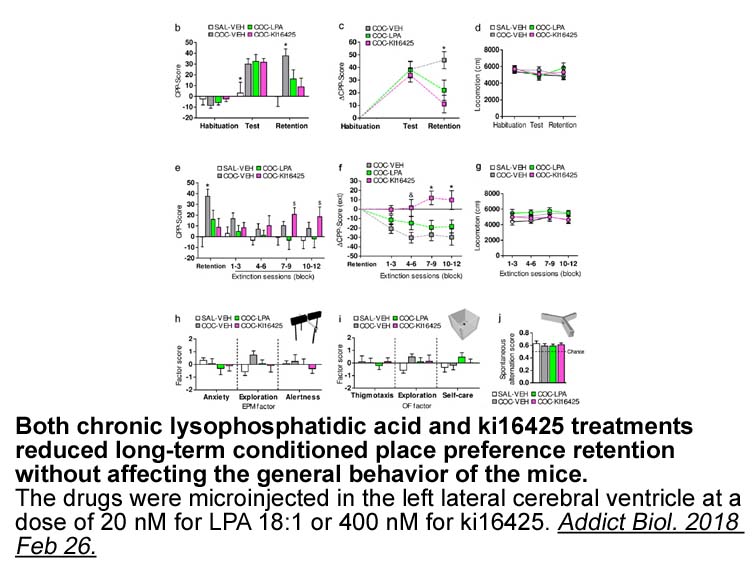
Results Discussion The PX 866 cytoskeleton is a highly attractive target for many bacterial toxins, owing to its role in activation and locomotion of immune cells, secretion of humoral response factors, and maintenance of protective barriers at the cellular (sub-membrane cytoskeleton) and orga
-
This raises an important question May the lack
2022-10-27
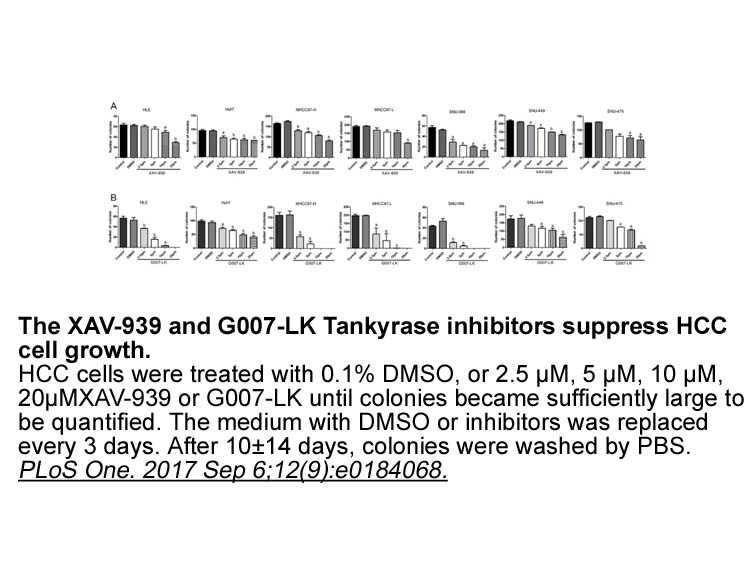
This raises an important question: May the lack of ethnolinguistic theories and of explicit references to language be related to the lack of contact with other groups and their languages? For the past few centuries at least, the Aché seem to have been culturally and linguistically isolated (Hill and
-
ACh induced changes in respiratory frequency could
2022-10-27

ACh-induced changes in respiratory frequency could be of interest. They may reveal an important mechanism of respiratory modulation at the caudal NTS level. ACh-induced increases in respiratory frequency within this region have been also reported by Furuya et al. (2014). Changes in respiratory timin
-
These results from the present study are
2022-10-27
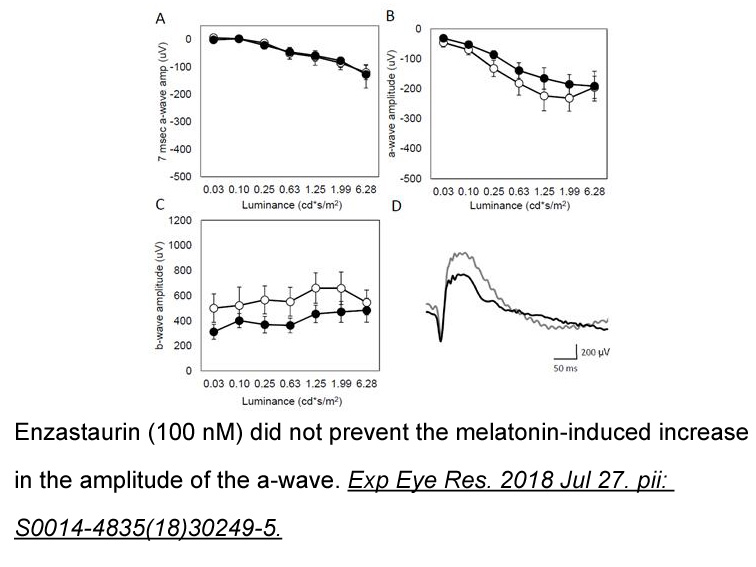
These results from the present study are summarized in Table 1. Eight drugs (doxorubicin, epirubicin, daunorubicin, idarubicin, irinotecan, imatinib, sunitinib and gefitinib) inhibited 5-HT-induced 5-HT3A and 5-HT3AB currents; three (irinotecan, topotecan and mitoxantrone) showed different responses
-
br Declaration of interest br Funding br Introduction The en
2022-10-27
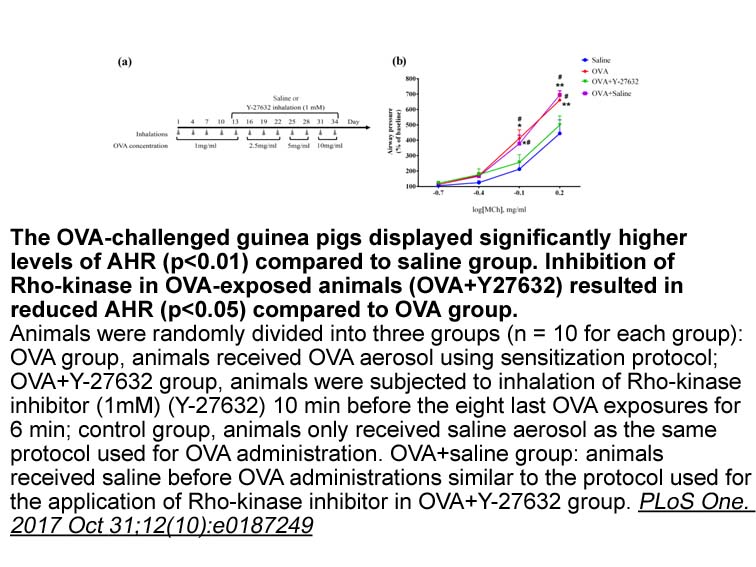
Declaration of interest Funding Introduction The endocrine disruptor bisphenol A (BPA) is a high-production chemical used in several consumer products, including polycarbonate bottles, epoxy resins, dental sealants, and thermal paper receipts (Geens et al., 2012). Importantly, BPA monomers
-
Co is an essential element for life in minute
2022-10-27
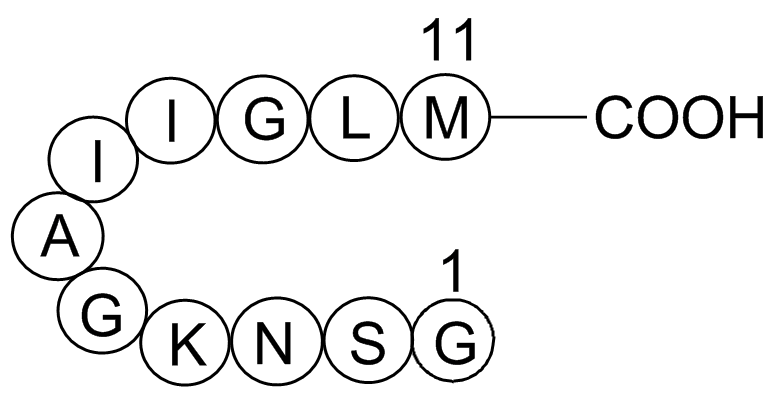
Co is an essential element for life in minute amounts [5]. The human adult contains about 1.1mg Co with the daily requirement of 0.1μg/day. Co is a component of vitamin B12. Co induces erythropoietin and blocks iodine uptake by the thyroid, controls the transfer of enzymes like homocysteine methyltr
-
For the time being fluorescent in
2022-10-26
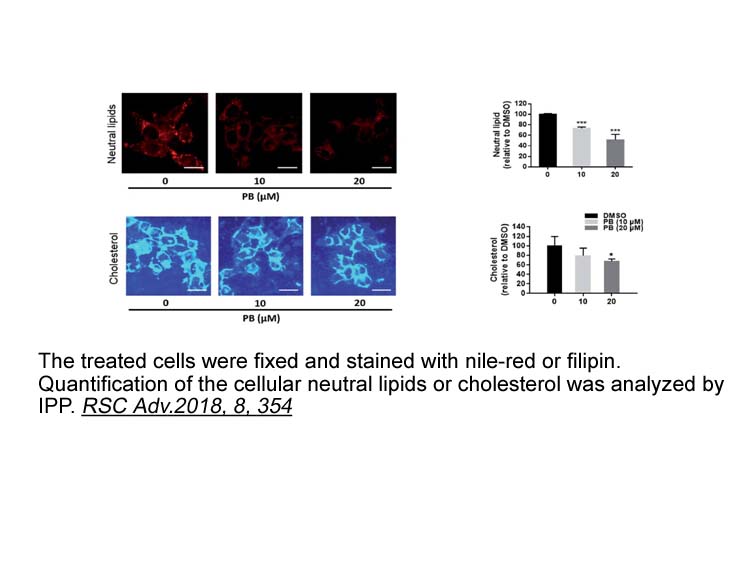
For the time being, fluorescent in situ hybridization (FISH) remains the ‘gold standard’ for ALK rearrangements diagnosis but immunohistochemistry has become a widely used pre-screening tool and the FDA recently approved the Ventana ALK (D5F3) CDx Assay (Ventana Medical Systems, Tucson, AZ) as a com
-
chronic conditions Mast cells Mast cells are immune cells of
2022-10-26
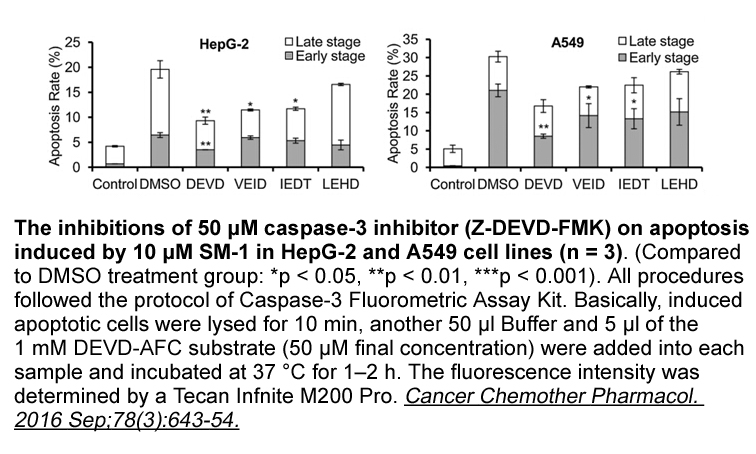
Mast cells. Mast chronic conditions are immune cells of the myeloid lineage and are ubiquitously present in connective tissues [75]. These cells are involved in the modulation of a number of physiological functions, such as vasodilation, angiogenesis, bacterial, and parasite elimination [75]. Moreo
-
br Occurrence of Inosine in RNA Inosine is widespread
2022-10-26
Occurrence of Inosine in RNA Inosine is widespread among various types of RNAs including transfer RNA (tRNA), ribosomal RNA (rRNA), messenger RNA (mRNA), long noncoding RNA (lncRNA), and microRNA (miRNA). Within these RNAs, inosine can appear in different locations as well. Table 1 lists examples
-
DBIBB where is the breaking force
2022-10-26

where is the breaking force. In the following, the details of the simulation are presented and subsequently, the results are discussed. The initial atomic structure is extracted from the crystal structure of single AF (PDB identification 3G37) which consist 12 monomers. As aforementioned 4 monomers
8582 records 416/573 page Previous Next First page 上5页 416417418419420 下5页 Last page