Archives
- 2026-08
- 2026-07
- 2026-06
- 2026-05
- 2026-04
- 2026-03
- 2026-02
- 2026-01
- 2025-12
- 2025-11
- 2025-10
- 2025-09
- 2025-03
- 2025-02
- 2025-01
- 2024-12
- 2024-11
- 2024-10
- 2024-09
- 2024-08
- 2024-07
- 2024-06
- 2024-05
- 2024-04
- 2024-03
- 2024-02
- 2024-01
- 2023-12
- 2023-11
- 2023-10
- 2023-09
- 2023-08
- 2023-07
- 2023-06
- 2023-05
- 2023-04
- 2023-03
- 2023-02
- 2023-01
- 2022-12
- 2022-11
- 2022-10
- 2022-09
- 2022-08
- 2022-07
- 2022-06
- 2022-05
- 2022-04
- 2022-03
- 2022-02
- 2022-01
- 2021-12
- 2021-11
- 2021-10
- 2021-09
- 2021-08
- 2021-07
- 2021-06
- 2021-05
- 2021-04
- 2021-03
- 2021-02
- 2021-01
- 2020-12
- 2020-11
- 2020-10
- 2020-09
- 2020-08
- 2020-07
- 2020-06
- 2020-05
- 2020-04
- 2020-03
- 2020-02
- 2020-01
- 2019-12
- 2019-11
- 2019-10
- 2019-09
- 2019-08
- 2019-07
- 2019-06
- 2019-05
- 2019-04
- 2018-11
- 2018-10
- 2018-07
-
In summary our data have shown that one mechanism
2023-11-13
In summary, our data have shown that one mechanism by which glucose may mediate monocyte–endothelial cell interaction in the retinal endothelial cells is via the 12/15-LO pathway Furthermore, our current and previously published data [20,22] indicate a differential role of endothelial 12/15-LO versu
-
cc-5013 br LO synaptic integrity and
2023-11-13
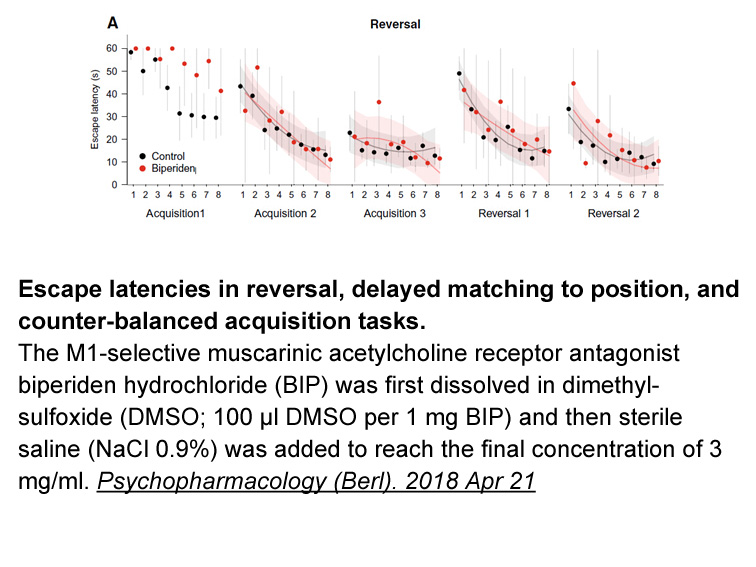
12/15LO, synaptic integrity, and memory Interestingly, several groups have found that 12/15LO directly modulates synaptic function. Normandin and colleagues reported that pharmacological inhibition of 12/15LO modulates rat hippocampal long-term depression (LTD), a process by which neuronal synapt
-
teniposide BITC significantly enhanced the gene
2023-11-13
BITC significantly enhanced the gene expression of the Nrf2-dependent genes, such as NQO1 and HO-1 (Fig. 4), as well as the ALDH genes (Fig. 2). Nrf2 is a key transcriptional factor which activates the expression of the genes that contain ARE in their promoter. Nrf2 translocates to the nucleus where
-
agonists simulate norepinephrine NE in binding to
2023-11-10
α2 agonists simulate norepinephrine (NE) in binding to presynaptic surface autoreceptors, which in turn mediates feedback inhibition of NE release. Another major control mechanism for noradrenergic neurotransmission is termination of signaling by presynaptic NE transporter (NET)-mediated NE reuptake
-
Patients with ADA SCID may experience autoimmune AEs
2023-11-10

Patients with ADA-SCID may experience autoimmune AEs after SCT (and/or during ERT) that are thought to be related to immune dysregulation prior to achieving complete immune reconstitution. The more common autoimmune manifestations include hemolytic anemia, hypothyroidism, and immune thrombocytopenia
-
br Conclusion br Conflicts of interest br
2023-11-10
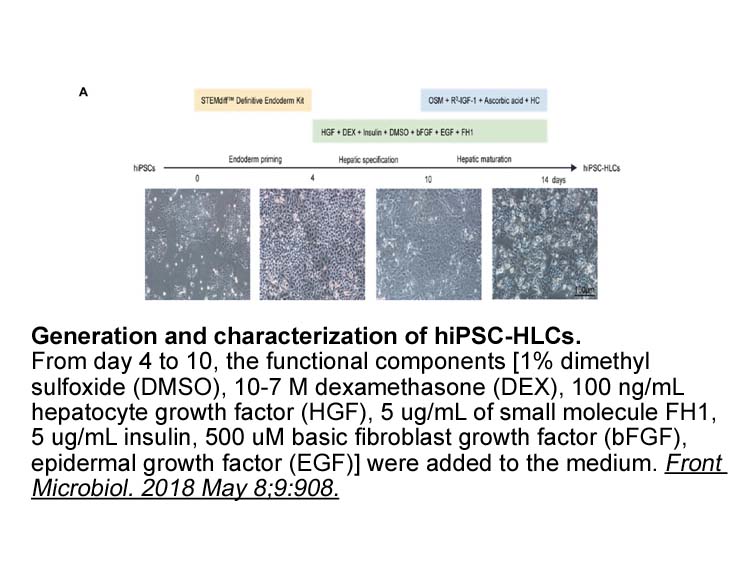
Conclusion Conflicts of interest Introduction RNA interference is a specific post-transcriptional gene silencing mechanism within a cell via the transfection of microRNAs (miRNA), exogenous small interfering RNAs (siRNA) or small hairpin RNAs (shRNA) [1–3]. Transfection of shRNA can be done
-
The central problem in amnesia developing following
2023-11-10
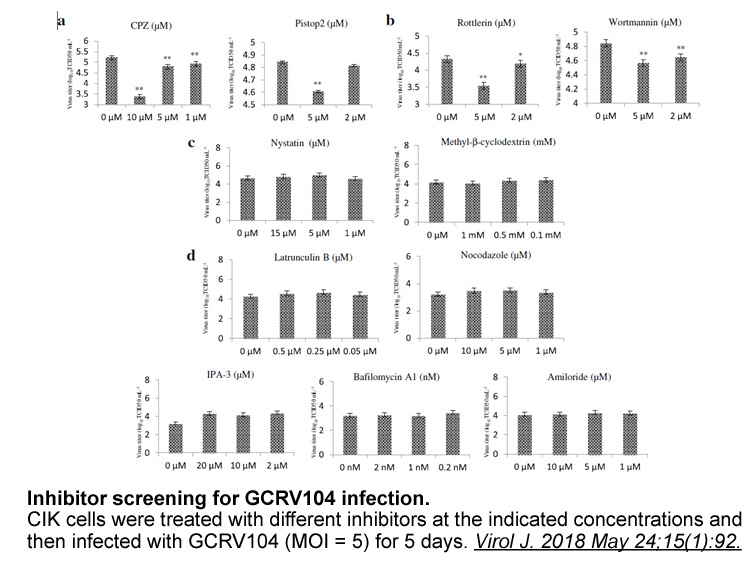
The central problem in amnesia developing following impairment of long-term memory consolidation or reconsolidation is a question of the underlying mechanisms, whether it is caused by impairment of retrieval or memory storage mechanisms [3,8,9,[15], [16], [17], [18]]. To answer this question, severa
-
br Cytochrome b br Cytochrome P hydroxylase lyase
2023-11-10
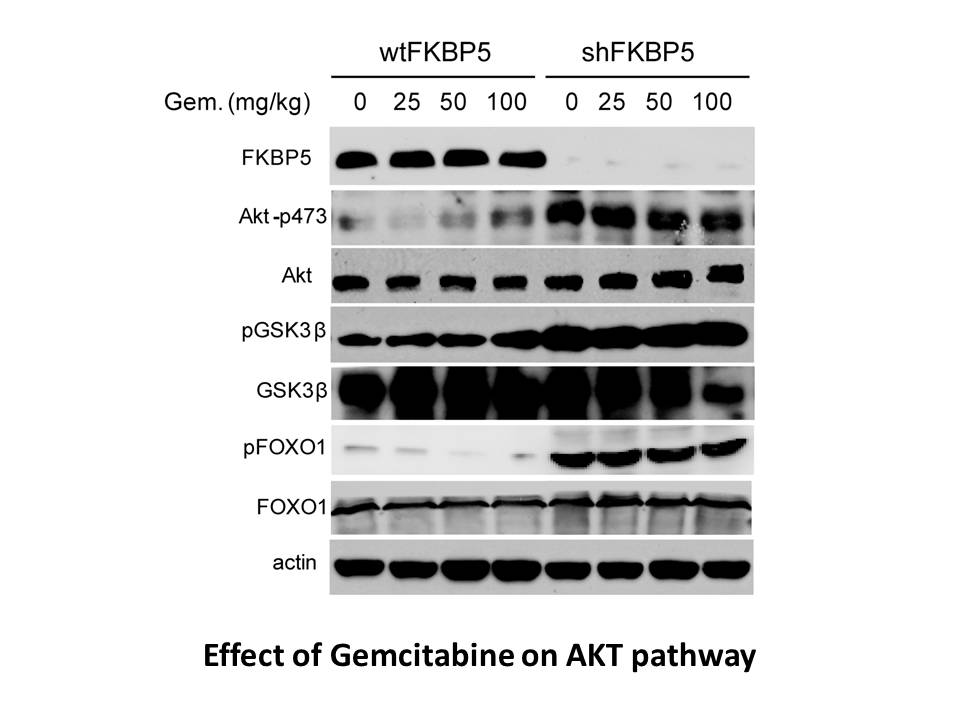
Cytochrome b5 Cytochrome P450 17α-hydroxylase/17,20-lyase (P450 17A1) A number of P450s involved in steroid biosynthesis are multifunctional as they carry out two or more sequential hydroxylation reactions on the same substrate(s). P450 17A1 is a dual function endoplasmic reticulum enzyme enco
-
The SKOV and SKOV TR cells
2023-11-10
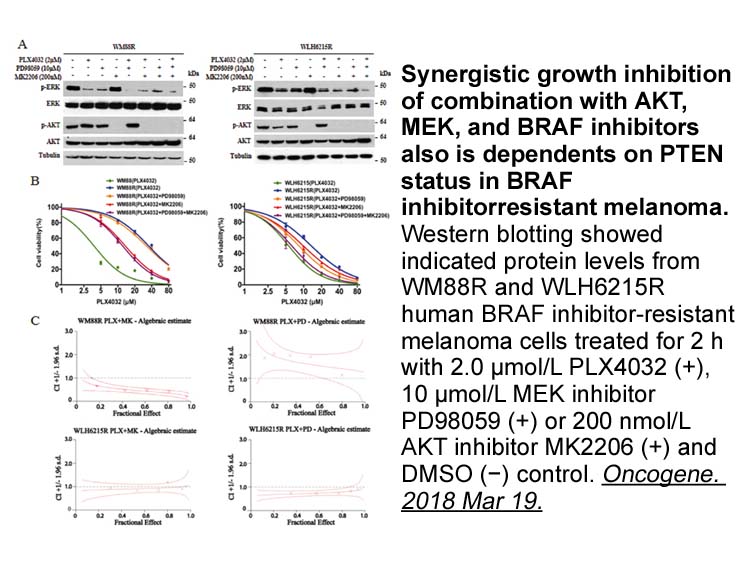
The SKOV3 and SKOV3TR Fosmidomycin sodium salt sale were exposed to stepwise increased concentration of paclitaxel with or without a different concentration of autophagy inhibitor (3-MA or HCQ) to further evaluate whether suppression of autophagy affected the growth and drug sensitivity of ovarian c
-
TCS JNK 6o The interaction of ATR ATRIP
2023-11-10
The interaction of ATR-ATRIP with RPA-coated ssDNA is sufficient for ATR-ATRIP recruitment to DNA lesions, but it is not sufficient to fully activate ATR. In response to DNA damage, the heterotrimeric ring-shaped complex 9-1-1 (RAD9-RAD1-HUS1 in humans; Ddc1-Rad17-Mec3 in S. cerevisiae) is loaded at
-
As the effects of baclofen on primary afferent
2023-11-10
As the effects of baclofen on primary afferent activity are not reproduced by GABAA receptor agonists like muscimol and isoguvacine, this ionotropic receptor may play minimal role in the modulation of primary afferent activity. However, it is important to note that post-synaptic GABAA receptors rema
-
Second the choice of the PAABD is
2023-11-10
Second, the choice of the PAABD is critical for an efficient and sensitive biosensor. The sequence of the PAABD should present high affinity and efficient recognition of the phosphorylated substrate, as opposed to poor affinity for the unphosphorylated substrate, and should display a fully reversibl
-
In conclusion we demonstrated that
2023-11-09
In conclusion, we demonstrated that, in the skeletal muscle of rats with T1DM, CRBN levels increased and AMPK, Akt, GLUT4, PGC-1α, and FNDC5 levels decreased, resulting in increased fasting glucose levels. Aerobic exercise training decreased levels of CRBN, which was possibly mediated by AMPK, Akt,
-
br Functional repercussions of each trimming
2023-11-09
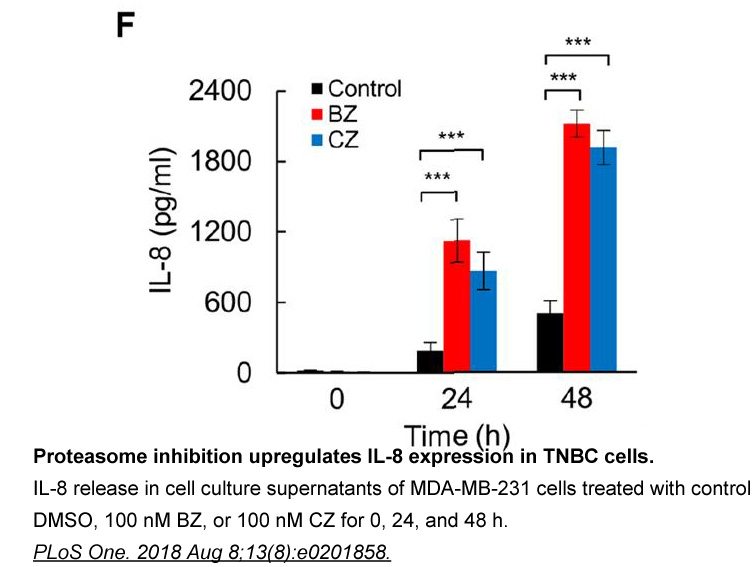
Functional repercussions of each trimming pathway A main difference between the two pathways presented in Fig. 1 lies in enzyme kinetics and selectivity. In pathway #1, the substrate for ERAP1 is free peptide, and so both kinetics and selectivity are determined by interactions between the peptide
-
Lorlatinib is an orally active brain
2023-11-09
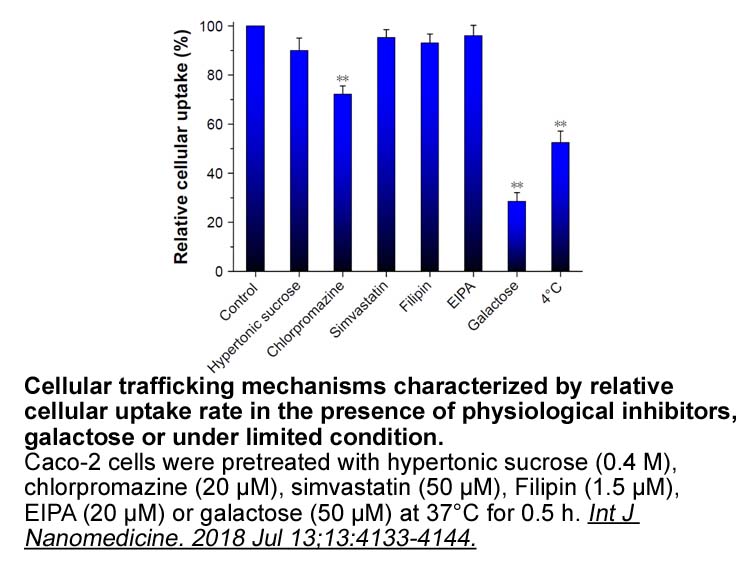
Lorlatinib is an orally active brain penetrant cyclic 2-aminopyridine derivative that is a type I½ B ALK inhibitor (Fig. 5F) [61]. This medicinal is an effective antagonist against the more common L1196M and G1269A crizotinib-resistant mutations as well as the less common T1151Ins, L1152R, C1156Y, F
16793 records 275/1120 page Previous Next First page 上5页 271272273274275 下5页 Last page