Archives
- 2026-08
- 2026-07
- 2026-06
- 2026-05
- 2026-04
- 2026-03
- 2026-02
- 2026-01
- 2025-12
- 2025-11
- 2025-10
- 2025-09
- 2025-03
- 2025-02
- 2025-01
- 2024-12
- 2024-11
- 2024-10
- 2024-09
- 2024-08
- 2024-07
- 2024-06
- 2024-05
- 2024-04
- 2024-03
- 2024-02
- 2024-01
- 2023-12
- 2023-11
- 2023-10
- 2023-09
- 2023-08
- 2023-07
- 2023-06
- 2023-05
- 2023-04
- 2023-03
- 2023-02
- 2023-01
- 2022-12
- 2022-11
- 2022-10
- 2022-09
- 2022-08
- 2022-07
- 2022-06
- 2022-05
- 2022-04
- 2022-03
- 2022-02
- 2022-01
- 2021-12
- 2021-11
- 2021-10
- 2021-09
- 2021-08
- 2021-07
- 2021-06
- 2021-05
- 2021-04
- 2021-03
- 2021-02
- 2021-01
- 2020-12
- 2020-11
- 2020-10
- 2020-09
- 2020-08
- 2020-07
- 2020-06
- 2020-05
- 2020-04
- 2020-03
- 2020-02
- 2020-01
- 2019-12
- 2019-11
- 2019-10
- 2019-09
- 2019-08
- 2019-07
- 2019-06
- 2019-05
- 2019-04
- 2018-11
- 2018-10
- 2018-07
-
A previous study showed that miR c
2024-04-28
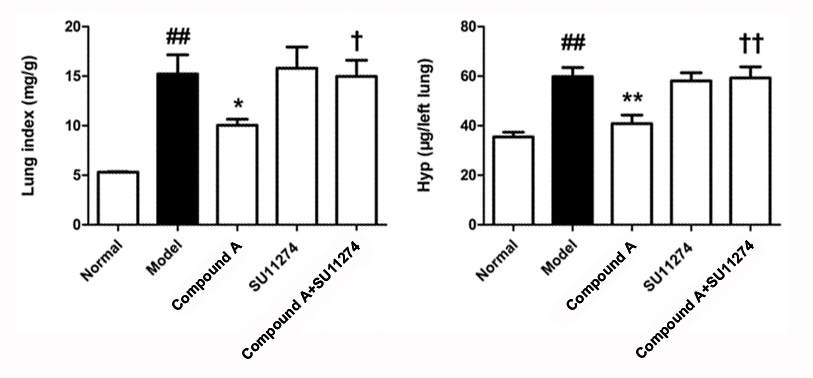
A previous study showed that miR-200c is involved in glucose-mediated pathological processes (Zhang, Guan, & Jin, 2017). Glucose metabolism is critical for the growth and proliferation of both normal Swainsonine and cancer cells, and reprogramming glucose metabolism now has been considered as a tar
-
Globally the total number of patients included in
2024-04-28
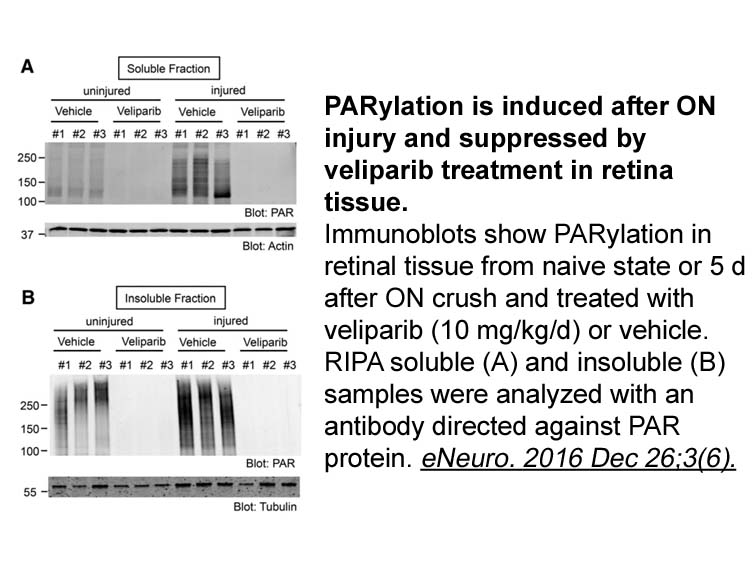
Globally, the total number of patients included in the meta-analysis was 1885, ranging from 40 to 442 patients per study. All eligible studies reported the association between ALDH1 expression and patients' OS [24-26, 3241], whereas nine studies evaluated the relationship between ALDH1 expression an
-
Composite soil samples were transported to the
2024-04-28
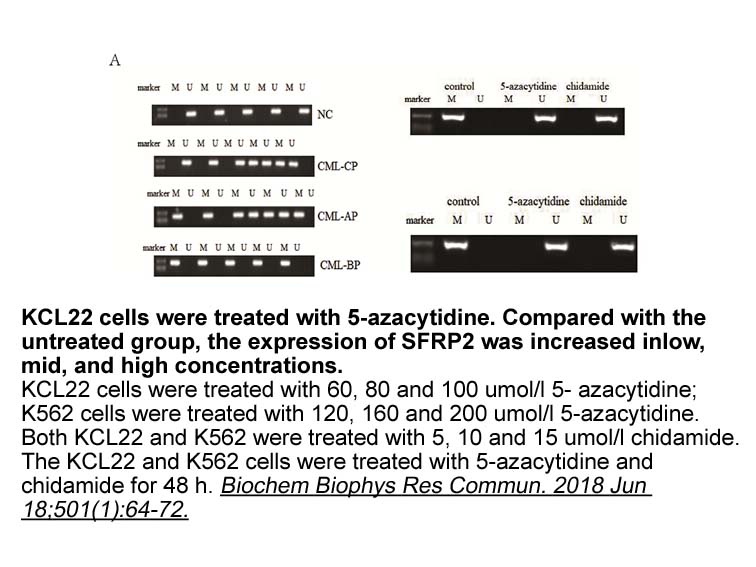
Composite soil samples were transported to the laboratory and then dried, crushed and passed through a 2mm sieve was. Sample digestion and release of elements method Sposito was performed [15]. Accordingly, taking into account soil moisture to 2g soil samples 12.5ml of nitric acid was added 4M. Samp
-
Application of the broad acting HTR
2024-04-28
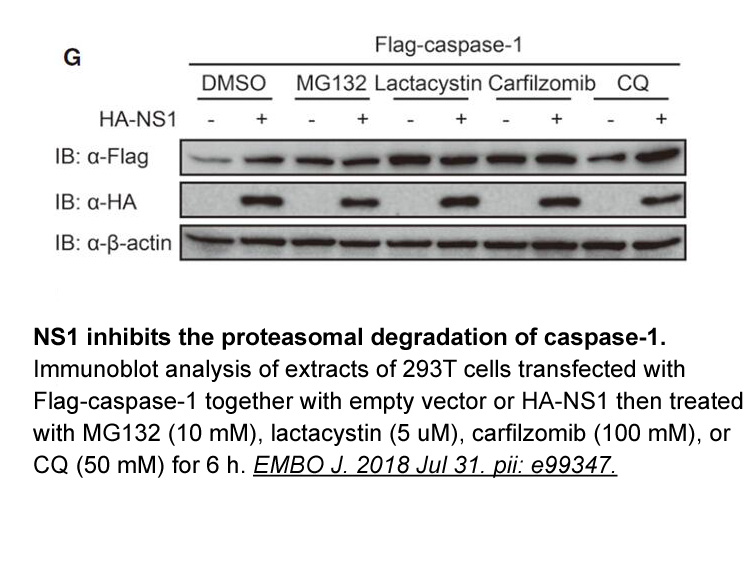
Application of the broad-acting 5-HTR antagonist methiothepin (Bard et al., 1996, Hoyer et al., 1994, Peroutka, 1990) converted the TBS-induced response of both thalamocortical and intracortical A1 synapses from LTP to LTD, an effect that was mimicked by the selective 5-HT2R antagonist ketanserin (L
-
In the current study we showed
2024-04-27
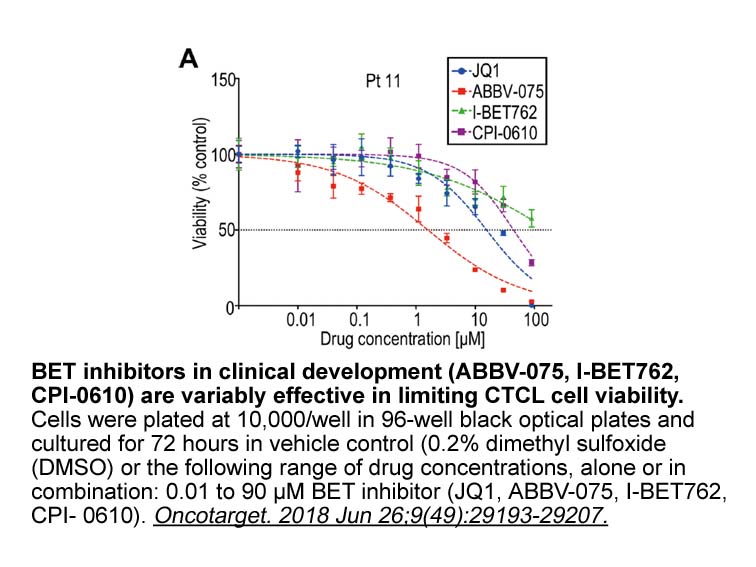
In the current study, we showed that known inhibitors of the F-ATPase and ionophores affect the growth of P. gingivalis and its plasma membrane ATPase, suggesting that the membrane ATPase can be a target for anti-periodontitis agents. We also identified stilbenoids that strongly inhibit the growth o
-
Human hepatocyte transplantation resulted in some
2024-04-27
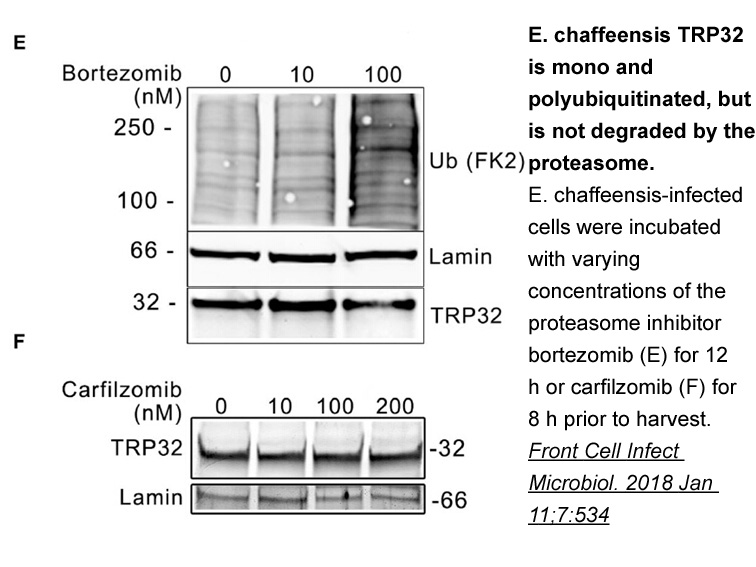
Human hepatocyte transplantation resulted in some animals with relatively sparse repopulation while others had >90% of their liver containing human hepatocytes. The presence of circulating human albumin varied based on the amount of repopulation as the degree of humanization is reported to correlate
-
TLRs play a key role in pathogen recognition and
2024-04-27
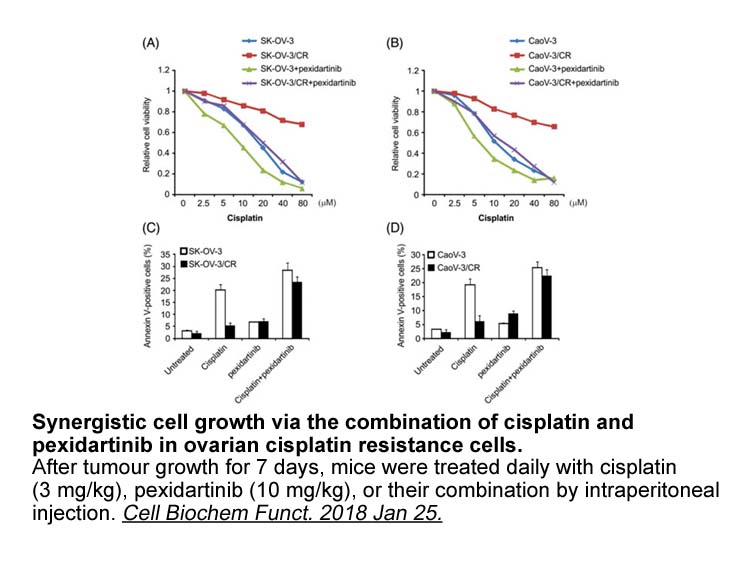
TLRs play a key role in pathogen recognition and early response. In our study, we showed an increase of TLR2 mRNA and protein expression after BMECs were stimulated by S. aureus, as seen for BMECs in a previous study [25]. Although most studies describe TLR4 as a primary receptor for Gram-negative b
-
An important observation is that
2024-04-27
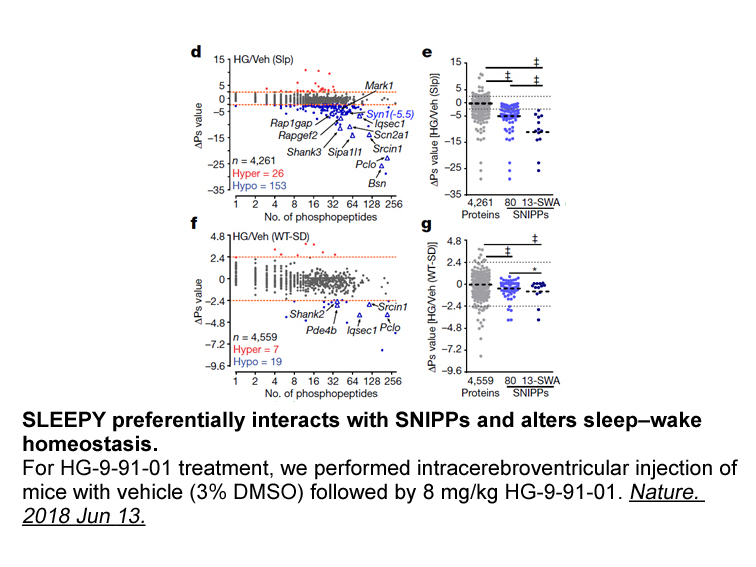
An important observation is that this patient has been on ALK inhibitor for more than 4 years (51 months: 27 months on crizotinib+24 months on alectinib and on-going) and there was no evidence of disease progression in the central nervous system. The other potential driver mutation in this patient’s
-
Here we have used transcriptome analysis
2024-04-27
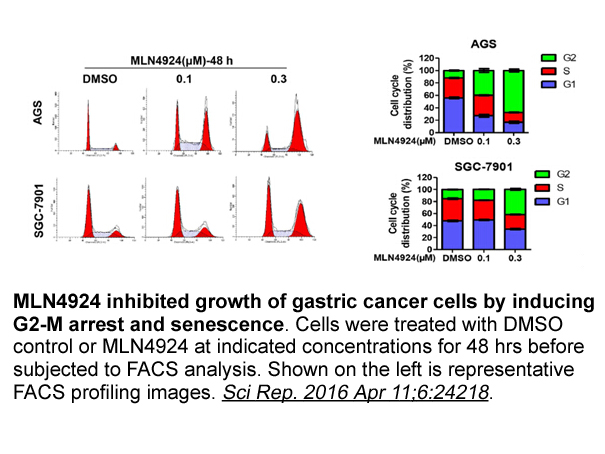
Here, we have used transcriptome analysis of primary neonatal rat cardiomyocytes treated with either the ETR agonist endothelin-1 or the α1-AR agonist phenylephrine to assess differences in their respective signalling networks, and further probed these differences using a panel of fluorescent resona
-
To our knowledge BAY has not progressed to clinical
2024-04-26
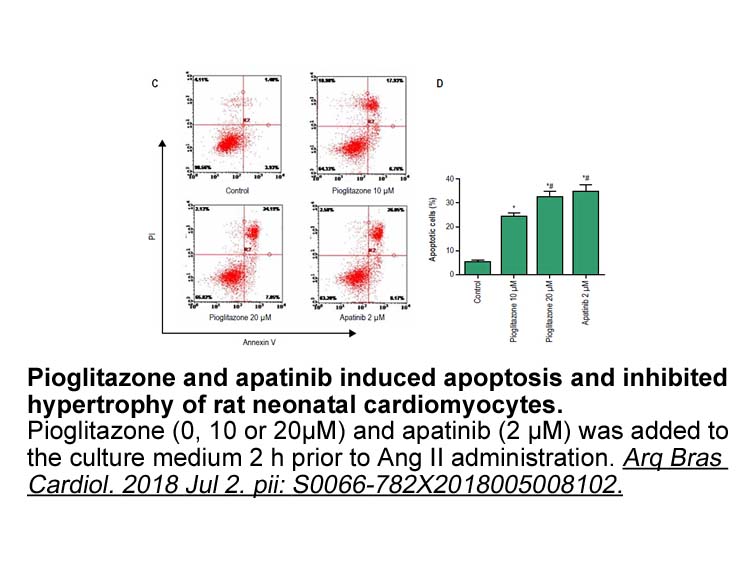
To our knowledge, BAY 60-6583 has not progressed to clinical development and remains to be the only ADORA2B agonist that has been developed.33, 34 Further development of similar compounds would be beneficial in future fibrosis research. One of the limitations of our study is being limited to in vit
-
Compounds were profiled for their
2024-04-26
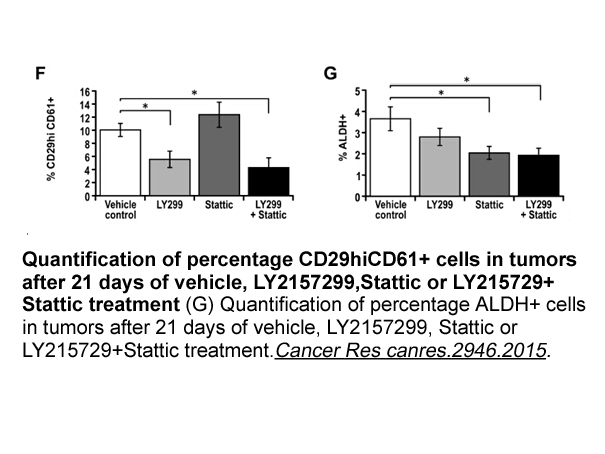
Compounds – were profiled for their inhibitory activity against dipeptidyl peptidase-IV Activity and/or Structure Homologues (DASH) [e.g. DPP2, DPP8 and DPP9] and non-DASH [eg. post-proline cleaving enzyme (PPCE), neutral endopeptidase (NEP), aminopeptidase P (APP), aminopeptidase N (APN)] enzymes.
-
The present study showed for the first time that
2024-04-26

The present study showed, for the first time, that hirsutine, hirsuteine, rhynchophylline, isorhynchophylline, corynoxeine, and isocorynoxeine in yokukansan can inhibit the 5-HT3 receptor current. These data indicate that part of the effect of yokukansan against the behavioral and psychological symp
-
Elevated expression of Aurora A and B frequently
2024-04-26

Elevated expression of Aurora-A and -B frequently detected in a wide variety of human cancers strongly indicate that high expression of these kinases play roles in the development of cancer associated phenotypes. While Aurora-A has been shown to function as an oncogene when over expressed in mammali
-
Recruitment of the Rad BP
2024-04-26
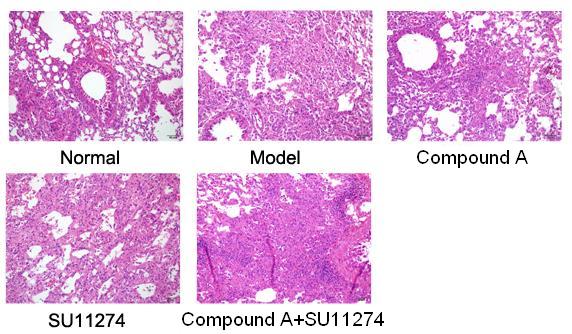
Recruitment of the Rad9/53BP1 mediator to AP1903 involves multiple pathways (Fig. 2). In unperturbed conditions, Rad9 is already bound to chromatin via interaction between its Tudor domain and methylated histone H3 at lysine 79 [82], [83], [84], [85]. This constitutive Rad9 recruitment to chromatin
-
According to the diversity in molecular skeletons aromatase
2024-04-26
According to the Erteberel in molecular skeletons, aromatase inhibitors can be categorized into two types: steroidal and non-steroidal blockers [6]. Steroidal AI (e.g., exemestane in Fig. 1) derived from the substrate androstenedione interacts with aromatase through chemical actions, resulting in a
16793 records 188/1120 page Previous Next First page 上5页 186187188189190 下5页 Last page